
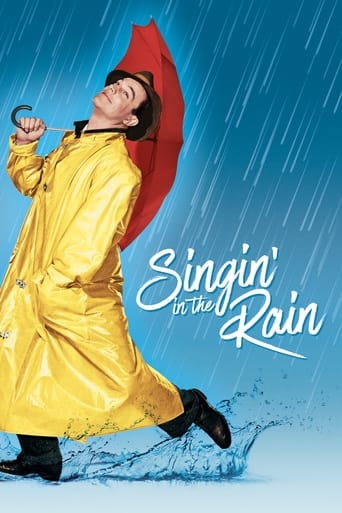
 HD8.1/10Singin' in the Rain1952
HDMovies
178 films rated 6.8 or higher, each with its score, its cast and a Watch now button.
Top rated
View all (42)HD8.1/10Singin' in the Rain1952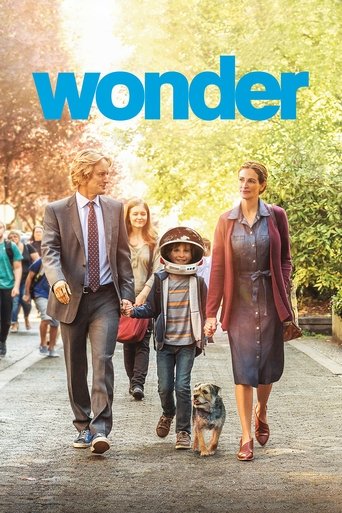 HD8.1/10Wonder2017
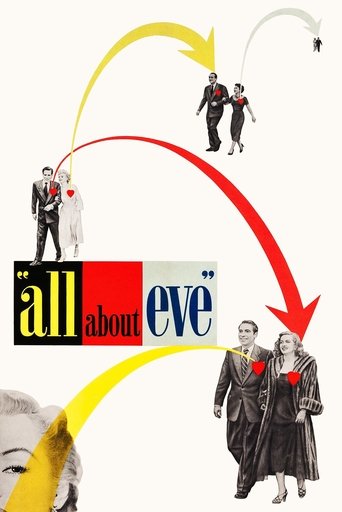 HD8.1/10All About Eve1950
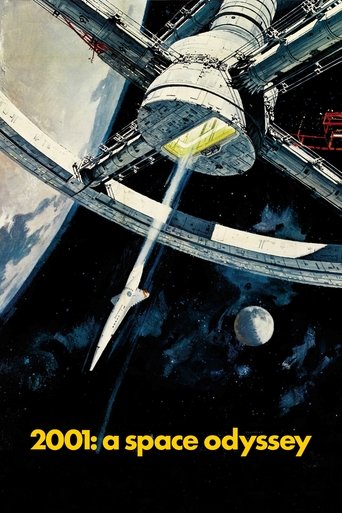 HD8.0/102001: A Space Odyssey1968
 HD8.0/10Front of the Class2008
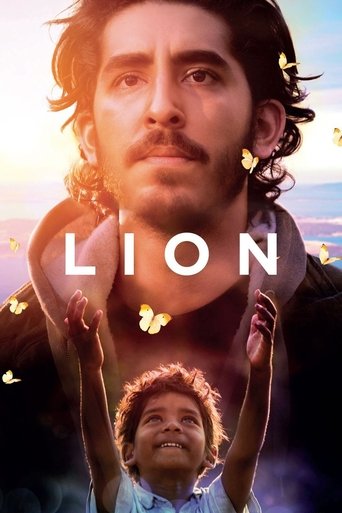 HD8.0/10Lion2016
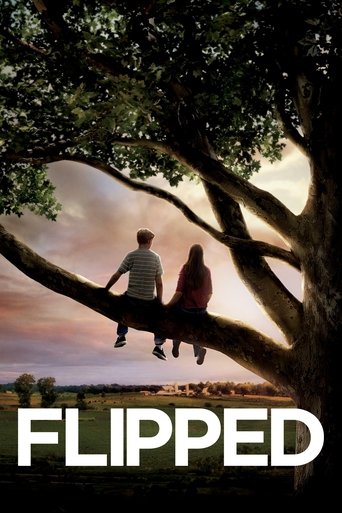 HD8.0/10Flipped2010
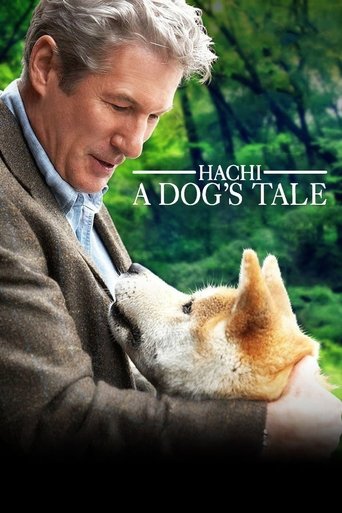 HD8.0/10Hachi: A Dog's Tale2009
 HD8.0/10Jurassic Park1993
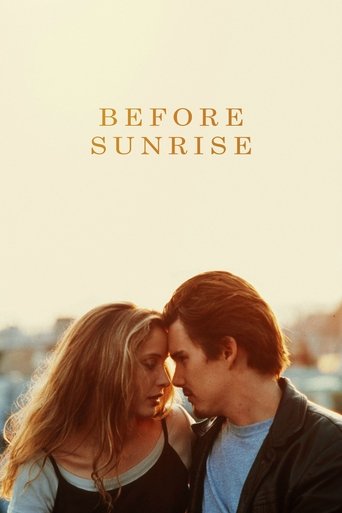 HD8.0/10Before Sunrise1995
 HD7.9/10Temple Grandin2010
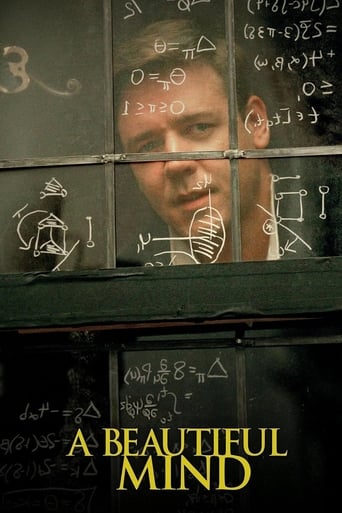 HD7.9/10A Beautiful Mind2001
Classics, 1950 to 1979
View all (24)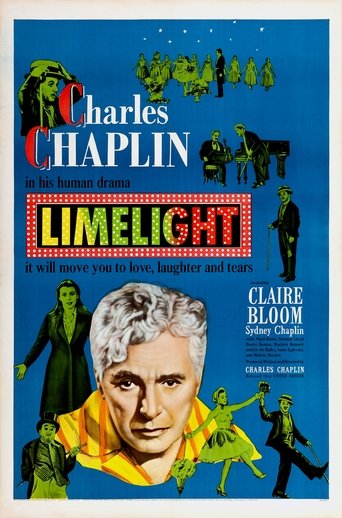 HD7.9/10
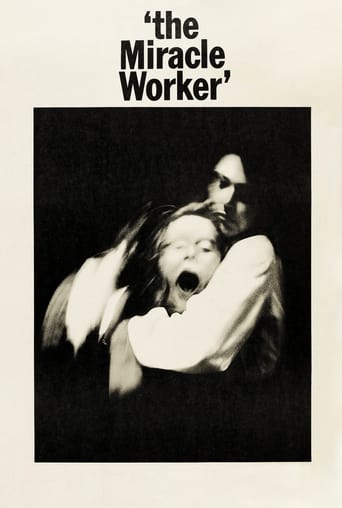 HD7.9/10
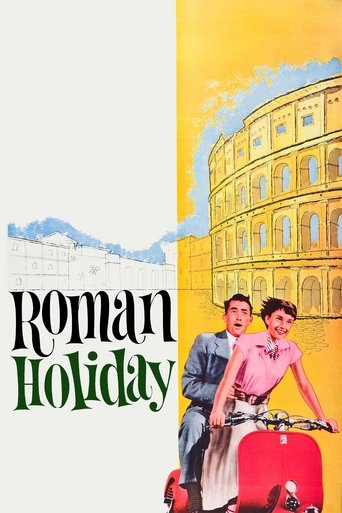 HD7.9/10
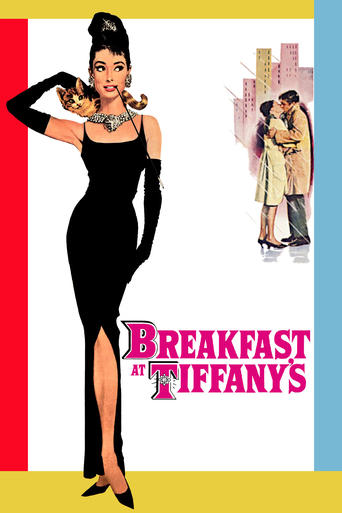 HD7.6/10
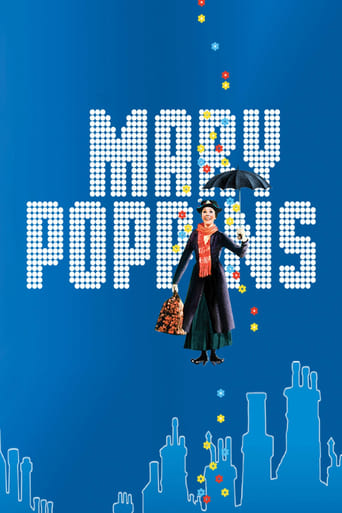 HD7.5/10
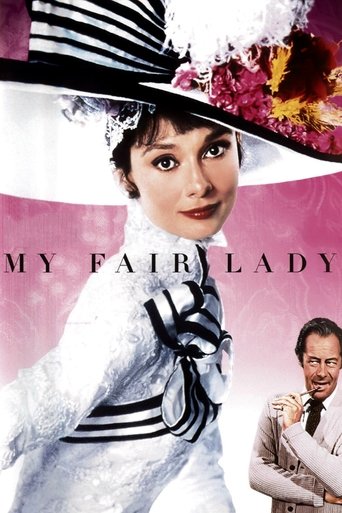 HD7.5/10
The 1980s and 1990s
View all (39)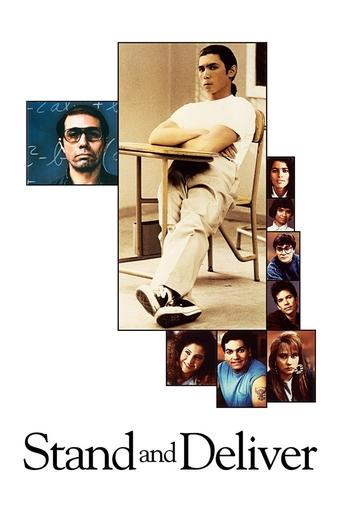 HD7.8/10
 HD7.8/10
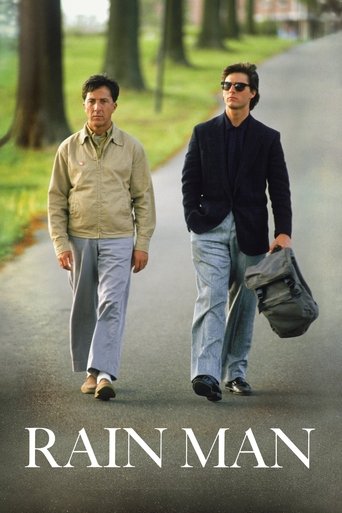 HD7.7/10
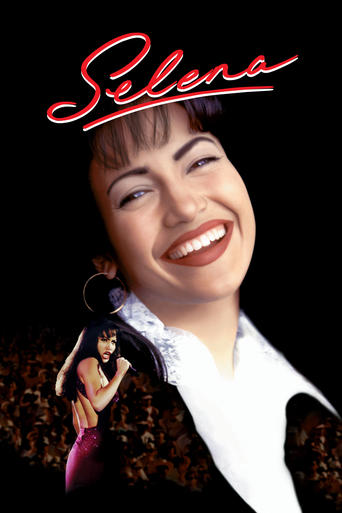 HD7.7/10
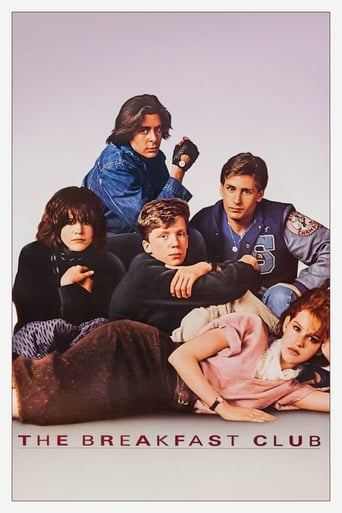 HD7.7/10
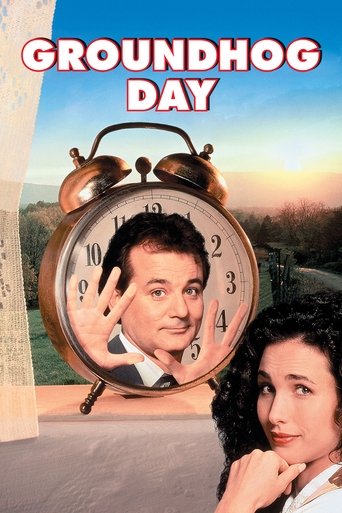 HD7.6/10
The 2000s
View all (49)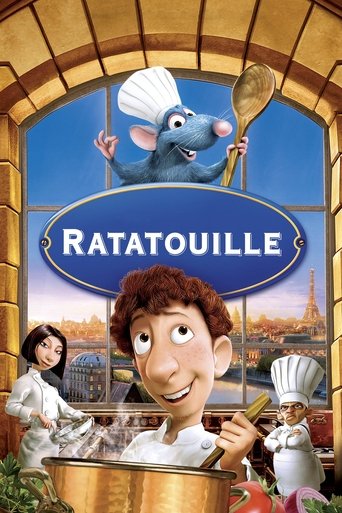 HD7.8/10
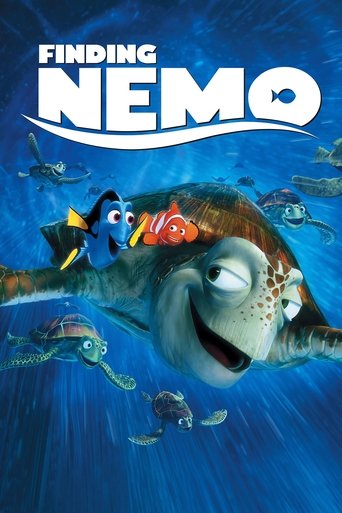 HD7.8/10
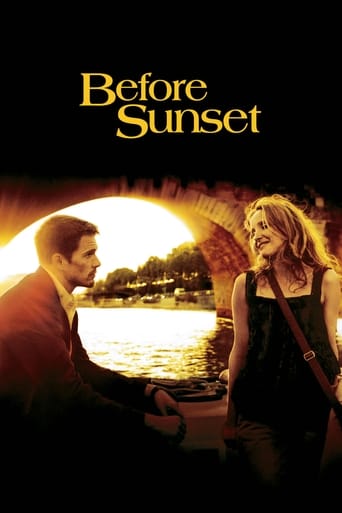 HD7.8/10
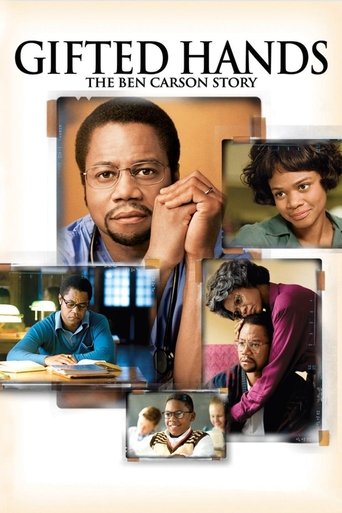 HD7.8/10
 HD7.7/10
 HD7.7/10
The 2010s
View all (66)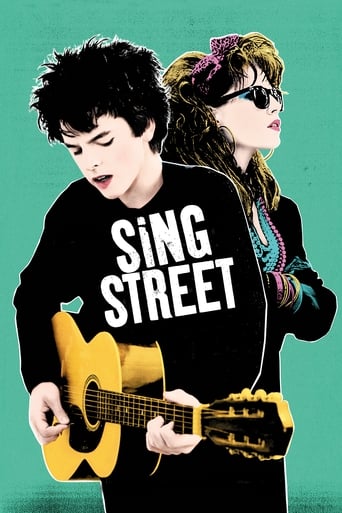 HD7.9/10
 HD7.8/10
 HD7.6/10
 HD7.6/10
 HD7.6/10
 HD7.6/10
Family
View all (39) HD7.6/10
 HD7.5/10
 HD7.4/10
 HD7.4/10
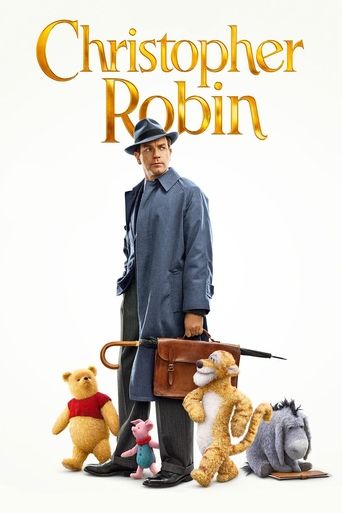 HD7.3/10
 HD7.3/10
Music
View all (16)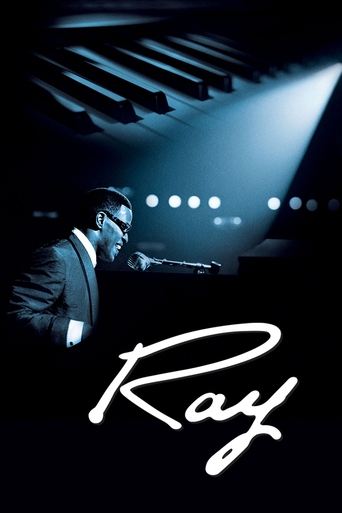 HD7.5/10
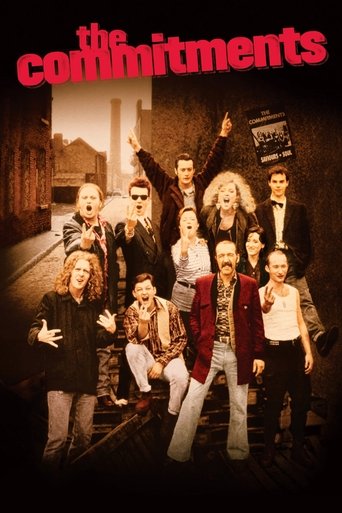 HD7.3/10
 HD7.2/10
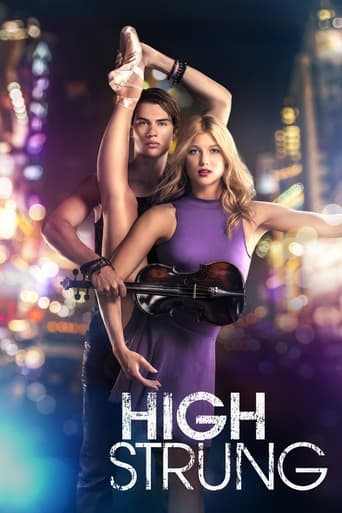 HD7.0/10
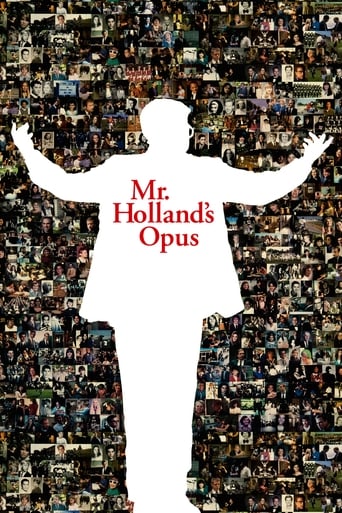 HD7.0/10
 HD7.0/10
The HDMovies guide to the top rated list
HDMovies: the top rated films from 1950 to 2018, from Singin' in the Rain, Roman Holiday and Jurassic Park to Finding Nemo, Lion and Wonder
Every film lover keeps a list. It might be written inside the cover of a notebook or held only in the head, but it exists: the films that really are as good as people say. HDMovies is that kind of list, made public and kept in order. It gathers the 178 highest rated films in its collection, made between 1950 and 2018 by 164 directors, 328 hours of cinema in all. Every one holds a score of 6.8 or higher out of ten from viewers around the world, and forty-two reach 7.5 or more. Each film has a page with its score, its cast, its director, a summary, and a button that leads to the official services where it can be watched.
The list has been chosen by hand with a household audience in mind, so that a high score here means a film that parents, grandparents and older children can enjoy together. It leans toward drama, with 118 films carrying that label, followed by eighty-six comedies, sixty-one love stories, forty-four adventures and fantasies and thirty-nine family films; sixteen are about music and nineteen are set in the historical past. Most films belong to two or three of these groups.
What makes the list unusual is its span. Twenty-four films date from the studio era of 1950 to 1979, thirty-nine from the 1980s and 1990s, forty-nine from the 2000s and sixty-six from 2010 to 2018. A musical from 1952 sits beside a drama from 2017 at the very top. This guide walks down the list era by era and then by kind, and closes with questions and answers. New visitors can begin with the short page on how to watch with HDMovies.
How HDMovies works
The look of the site is bold and simple. A black strip at the top holds the name, with its yellow HD plate, and a search field. Beneath it runs a golden yellow menu bar with dark capital letters: All movies, Top rated, Classics, 80s and 90s, 2000s, 2010s, Family, the A-Z index and My List. The page itself is charcoal, and headings are set in tall capitals with a short yellow rule beneath.
The home page shows seven shelves. Top rated comes first, with the twelve highest scores; then the classics, the two later eras, the two most recent decades, Family and Music, six films each. Every poster carries a yellow HD tag in one corner and the score out of ten in the other, with the title in capitals and the year on a dark band at the foot. Films are ordered by score within each shelf, and a film is shown only once on the page, so the forty-eight posters are forty-eight different films. The View all link beside each heading opens the complete shelf.
A film page gives the essentials at a glance: poster, title, year, running time, genres and score. A summary of two or three sentences follows, then the director and the leading cast. Each name is a link that gathers that person's other films on the list. Next to the yellow Watch now button is a menu of fifteen countries. Choose yours and press, and JustWatch opens with the subscription, rental, purchase and free services that carry the film there. HDMovies keeps the list; the services show the films, in whatever picture quality your screen and connection allow.
The search field understands titles, people and years. Type Audrey Hepburn and four films appear. Type Linklater and you receive two halves of one long conversation. Type 1993 and seven films line up, a remarkable harvest for one year. The page on finding titles lists every route into the catalogue, and the My List page explains the personal shortlist kept in your own browser.
The top of the list
Three films share the highest score, 8.1, and they could hardly be more different. Singin' in the Rain, made in 1952, is the most joyful film ever to come out of Hollywood, a musical comedy about the panic that seized the studios in 1927 when pictures learned to talk. Gene Kelly, who directed it with Stanley Donen, dances through a downpour with an umbrella he has little use for; Donald O'Connor runs up a wall; and nineteen-year-old Debbie Reynolds keeps pace with both. All About Eve, from 1950, is the wittiest film about the theatre, with Bette Davis as a great actress who takes an admiring young fan into her household and slowly realises what the newcomer wants. It won the Academy Award for Best Picture. Wonder, from 2017, follows a ten-year-old boy with a facial difference through his first year at school, and earns its tears honestly.
Seven films follow at 8.0. Jurassic Park is the great adventure of the 1990s, and 2001: A Space Odyssey, directed by Stanley Kubrick in 1968, is still the most ambitious science-fiction film ever made, a journey from the dawn of humankind to the moons of Jupiter in the company of a soft-spoken computer. Hachi: A Dog's Tale tells of a dog's lifelong loyalty, Lion of a lost boy's search for home, Before Sunrise of one night's conversation in Vienna and Flipped of a first love seen from both sides. Front of the Class is the true story of a man with Tourette syndrome who was turned down by twenty-four schools before one gave him the classroom he had always wanted.
At 7.9 come A Beautiful Mind, Sing Street, Roman Holiday, Limelight, Temple Grandin and The Miracle Worker, and at 7.8 Finding Nemo, Ratatouille, Back to the Future Part II, Before Sunset, Gifted Hands: The Ben Carson Story, Maudie and Stand and Deliver. Twenty-three films, then, stand at 7.8 or above, and they include a musical, a space epic, two animated features, a comedy about a princess and half a dozen true stories. The guide to the top rated list sets out all forty-two films at 7.5 or higher.
Classics, 1950 to 1979
The oldest shelf holds twenty-four films, and one face appears on four of them. Audrey Hepburn became a star overnight in Roman Holiday, playing a young princess who slips away from her official duties for a day in Rome and spends it on the back of a scooter with an American reporter, played by Gregory Peck. She won the Academy Award. In Funny Face she is a bookshop assistant swept off to Paris as a fashion model, dancing with Fred Astaire. In Breakfast at Tiffany's she is Holly Golightly, gazing into a jeweller's window at dawn with a paper cup of coffee, and in My Fair Lady, the longest film on the list at just under three hours, she is the flower seller taught to speak like a duchess.
Hollywood loved to tell stories about itself, and three of the best are here. Besides All About Eve, there are The Bad and the Beautiful, in which an actress, a director and a writer each explain why they have sworn to stay away from a brilliant producer, played by Kirk Douglas, and Limelight, Charlie Chaplin's tender late film about an ageing music-hall comedian and a young dancer, with a brief and precious scene alongside Buster Keaton.
The fifties and sixties were the great age of the screen musical. Seven Brides for Seven Brothers has some of the most athletic dancing ever filmed. Mary Poppins brought Julie Andrews down from the clouds over London with a carpet bag and won her the Academy Award. Hello, Dolly!, directed by Gene Kelly, gave Barbra Streisand a parade, Chitty Chitty Bang Bang gave a car wings, and Grease, right at the end of the period, looked back at the fifties with affection and a great deal of hair cream.
Comedy and drama of the era are represented by the two Neil Simon plays, The Odd Couple and Barefoot in the Park; by Marty, the gentle story of a shy Bronx butcher that won Best Picture for 1955; by The Miracle Worker, in which the teacher Annie Sullivan reaches the young Helen Keller; and by To Sir, with Love, with Sidney Poitier as an engineer who takes a teaching post in the East End of London. For younger viewers there are Old Yeller, The Black Stallion, The Muppet Movie and a trip to the centre of the Earth, and for anyone who has ever ridden a bicycle, Breaking Away. The classics guide arranges the shelf by star and by kind.
The 1980s and 1990s
Thirty-nine films represent the last two decades of the old century, and many of them are the films that today's parents grew up with. The writer and director John Hughes has two of the best. The Breakfast Club puts five students who think they have little in common in a school library for a Saturday detention, and lets them talk until the labels fall away. Ferris Bueller's Day Off is its sunny opposite, a celebration of one perfectly spent day of truancy in Chicago. Both are rated above 7.5, and both treat teenagers with a respect that was new in American cinema.
The period had a gift for the fantastic comedy with a human heart. In Big, a boy's wish to be grown up is granted overnight, and Tom Hanks plays a twelve-year-old in an adult's body with complete conviction. Groundhog Day traps a sour weatherman in a single repeating day until kindness sets him free. Back to the Future Part II flies its heroes forward to 2015 and back to 1955, Innerspace shrinks a pilot and injects him into a nervous shop assistant, and Bill & Ted's Excellent Adventure sends two cheerful students through history in a telephone box.
Drama of the time is led by Rain Man, the Best Picture of 1988, a road film in which a fast-talking salesman comes to love the autistic brother he had meant to use. On Golden Pond brought Henry Fonda and Katharine Hepburn together as a couple spending what may be their last summer at a lakeside cottage, and both won Academy Awards. Stand and Deliver tells the true story of a mathematics teacher in East Los Angeles whose pupils did so well in an advanced examination that the authorities made them sit it again. Steel Magnolias gathers six friends in a Louisiana beauty salon.
From the British Isles come three films with music in them. Local Hero, written and directed by Bill Forsyth, sends a young oil executive from Texas to buy a Scottish fishing village and watches the place quietly change him; its score by Mark Knopfler is much loved. The Commitments forms a soul band in Dublin, and Brassed Off follows a colliery brass band to a national final. Four Weddings and a Funeral and Notting Hill represent the romantic comedy at its most charming.
The nineties also gave families Jurassic Park, Jumanji, The Sandlot, The Secret Garden, Cool Runnings and Homeward Bound: The Incredible Journey, all rated 7.0 or higher. The guide to the 1980s and 1990s has the full shelf.
The 2000s
Forty-nine films date from the first decade of the new century. Animation leads the popular vote: Finding Nemo and Ratatouille are the two most watched films on HDMovies, and The Emperor's New Groove, a fast and very funny comedy about a vain ruler turned into a llama, is rated 7.6 and, at seventy-eight minutes, is the shortest film on the list.
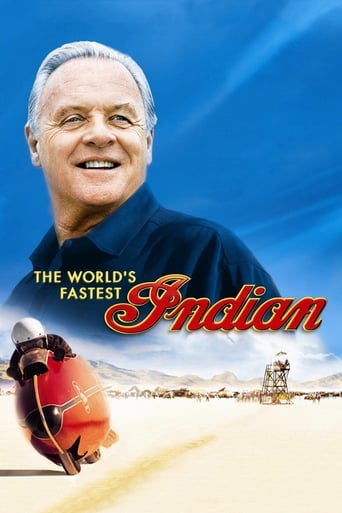
The decade was rich in true stories of perseverance, several of them made for television and now better known than many cinema releases. Front of the Class and Gifted Hands: The Ben Carson Story are both rated 7.8 or higher. Radio, Glory Road, Miracle, Invincible, The Express and We Are Marshall find their heroes in American sport, The Greatest Game Ever Played in a golf tournament of 1913, Seabiscuit and Dreamer: Inspired By a True Story at the racecourse, and The World's Fastest Indian on a salt lake in Utah with an old motorcycle from New Zealand. Ray and A Beautiful Mind are full-scale biographies of a musician and a mathematician.
Smaller films have earned their places by word of mouth. Secondhand Lions is a tall tale about two old adventurers and the nephew left in their care. Little Manhattan is a ten-year-old's account of first love. Interstate 60 sends a young man down a road that is missing from every map, August Rush follows a musical child across New York, and I Am Sam and Pay It Forward ask what a parent and a child owe each other. Little Miss Sunshine, Best in Show and The Holiday supply the laughter, and Mamma Mia! the songs. The guide to the 2000s lists all forty-nine.
The 2010s
The largest shelf has sixty-six films from 2010 to 2018, a sign that good family cinema is in healthy supply. Wonder, Lion and Flipped stand at 8.0 or higher. Sing Street, rated 7.9, is the story of a fifteen-year-old in Dublin in 1985 who invents a band in order to speak to a girl and discovers a talent for songwriting.
Three portraits of unusual lives deserve to be better known. Temple Grandin, with Claire Danes, follows a young woman with autism who thinks in pictures and uses that gift to transform the humane handling of cattle. Maudie stars Sally Hawkins as a Nova Scotia housekeeper with severe arthritis who paints flowers and birds on every surface of a tiny house and becomes one of Canada's best-loved folk artists. The Rider, directed by Chloé Zhao, casts a real rodeo rider as a version of himself, recovering from an injury on the South Dakota plains.
True stories continue to do well: The Social Network, Moneyball, The Founder, Steve Jobs, Eddie the Eagle, McFarland, USA, The Man Who Knew Infinity, about the Indian mathematician Ramanujan at Cambridge, and Queen of Katwe, about a girl from a poor district of Kampala who becomes a chess champion. Stan & Ollie and Goodbye Christopher Robin look back at beloved entertainers and the cost of fame.
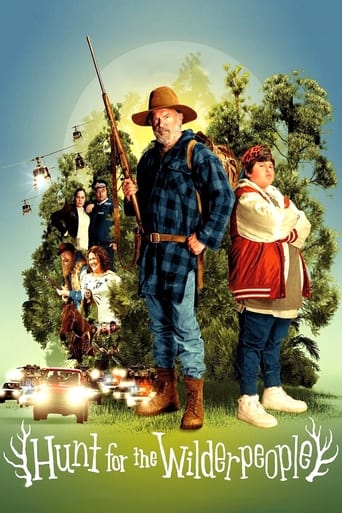
The decade's comedies and romances are gentle and bright. Paddington is a model family film. Chef is about cooking and fatherhood, The Hundred-Foot Journey about two restaurants facing each other across a French road, and Crazy Rich Asians about a wedding in Singapore. Hunt for the Wilderpeople, The Way Way Back, The Kings of Summer and Eighth Grade are among the best films about growing up, and To All the Boys I've Loved Before began a new wave of teenage romance on streaming services. The guide to the 2010s covers the shelf.
Films about growing up
Run an eye down the list and one subject recurs more than any other: the passage from childhood to adult life. It seems that films about growing up are the ones people rate most fondly, perhaps because everyone has done it. The list holds examples from every decade. Breaking Away, from 1979, follows four friends in a university town in Indiana in the summer after school, one of whom is so devoted to Italian cycling that he has taken to speaking the language at the dinner table. It won the Academy Award for its screenplay and remains one of the most likeable films ever made about being nineteen.
The eighties contributed Say Anything..., in which an amiable kickboxing enthusiast courts the cleverest girl in his class, and Some Kind of Wonderful, about a young artist who is slow to see that the right person has been beside him all along. The nineties added Now and Then, four women remembering the summer they were twelve, and The Sandlot, whose narrator recalls the friends who taught him baseball in 1962.
The films of the present century look more closely still. The Way Way Back gives a fourteen-year-old a summer job at a water park and a mentor who treats him as an equal. The Kings of Summer sends three boys into the woods to build a house of their own. Eighth Grade spends the last week of middle school with a girl who makes brave videos about confidence for an audience of a handful, and Middle School: The Worst Years of My Life turns a boy's doodles into animated mischief. Flipped, Little Manhattan and Sing Street are about the first stirrings of love, and Then Came You and Everything, Everything about young people facing more than their share of difficulty with humour and courage.
Sport on the list
Sporting films make up a tenth of the list, and nearly all are true. They follow a pattern as old as storytelling, the outsider who is given a chance, and the pattern rarely fails. Miracle has the American ice hockey team of 1980, a squad of students sent out against the best in the world. Invincible has a thirty-year-old barman who answers an open invitation to try out for his city's football club. Glory Road has a college basketball coach who fields the best five players he has, whatever their colour, in the Texas of 1966, and The Express a gifted running back who breaks a barrier at Syracuse.
Other films find their sport in less familiar places. Cool Runnings takes four Jamaicans to the ice of Calgary. Eddie the Eagle follows a cheerful Englishman off the end of a ski jump. McFarland, USA discovers champion runners among the sons of fruit pickers, and Queen of Katwe a chess prodigy in a Ugandan township. The Greatest Game Ever Played recreates a golf championship of 1913 won by a twenty-year-old amateur with a ten-year-old caddie. Seabiscuit and Dreamer: Inspired By a True Story are racing stories, and The Damned United is a sharp English comedy about a football manager with a great deal to say.
A few are simply stories set in the world of sport. Moneyball takes place largely in offices. Trouble with the Curve sends an ageing baseball scout on one last trip with his daughter. Win Win is about a small-town lawyer and the teenage wrestler who comes into his life, and Stick It and Full Out are set in the demanding world of gymnastics. Type the name of a sport into the search field and the relevant films appear.
British and Irish films on the list
Fifteen or so of the top rated films come from Britain and Ireland, and they have a flavour of their own, drier and more modest than their American neighbours. The oldest is To Sir, with Love; the best loved may be Local Hero, in which very little happens and all of it is delightful. Mike Leigh's Another Year observes a contented couple and their less contented friends through spring, summer, autumn and winter.
The romantic comedies of the nineties have been mentioned, as have the films about bands. To these may be added The Importance of Being Earnest, Oscar Wilde's comedy of mistaken identities with Colin Firth and Rupert Everett; The Young Victoria; Far from the Madding Crowd; Goodbye Christopher Robin; Stan & Ollie; and Paddington, which is as English as marmalade. From Ireland come The Commitments and Sing Street, two films about Dublin teenagers and their bands made twenty-five years apart, both of them among the highest rated musical films anywhere.
Prize winners
Scores from the public and prizes from the industry are different things, but they often agree. Five films on the list won the Academy Award for Best Picture: All About Eve, Marty, My Fair Lady, Rain Man and A Beautiful Mind. Many more won for individual achievements. Audrey Hepburn in Roman Holiday, Julie Andrews in Mary Poppins, Anne Bancroft and Patty Duke in The Miracle Worker, Henry Fonda and Katharine Hepburn in On Golden Pond, Dustin Hoffman in Rain Man and Jamie Foxx in Ray all took home acting awards for the performances you can see here.
Finding Nemo and Ratatouille were each named best animated feature of their year. The Social Network won for its screenplay, as did Breaking Away and Little Miss Sunshine, and 2001: A Space Odyssey for visual effects that still look convincing more than half a century later. A viewer who wants to know what the fuss was about can use the list as a short course in film history, with the added comfort that every title on it has also pleased ordinary audiences.
Adventure, fantasy and science fiction
Forty-four films on the list take the viewer somewhere out of the ordinary. The two great landmarks stand twenty-five years apart. 2001: A Space Odyssey imagined space travel so carefully in 1968 that real astronauts later remarked on its accuracy, and its long, wordless passages still feel like the future. Jurassic Park did for living dinosaurs what Kubrick's film had done for spacecraft, making the impossible look photographed. Between and around them are adventures of every size.
The oldest is Journey to the Center of the Earth of 1959, a handsome Victorian expedition with James Mason as the professor leading his party down an Icelandic crater. The eighties add Innerspace, Back to the Future Part II and Bill & Ted's Excellent Adventure, three comedies that treat science as a toy box. Jumanji and Big bring magic into the suburbs, and Interstate 60 and The Secret Life of Walter Mitty turn a journey into a way of finding out who the traveller is.
The storybook adventures are for all ages: The Jungle Book, Cinderella, Paddington, Christopher Robin and Hugo, Martin Scorsese's tribute to the magician who invented film fantasy at the turn of the last century. Star Trek Beyond carries a famous crew to an unknown planet, Hunt for the Wilderpeople takes to the New Zealand bush, and The Black Stallion and Homeward Bound: The Incredible Journey show that an animal can be as fine an adventurer as any explorer. The Adventure and fantasy shelf, reached from any film page by its genre label, lists them all in order of score.
What these films share is a sense of wonder that survives repeated viewing. A child may come for the dinosaurs or the flying car and an adult for the craft, but both leave with the same feeling, and that feeling is what a high score on this shelf really measures. It is also why these are the films most often chosen when three generations sit down together, since each age finds its own way in and everyone reaches the same ending pleased. A family that works through this shelf together will have a store of shared jokes and favourite scenes to last for years.
Family
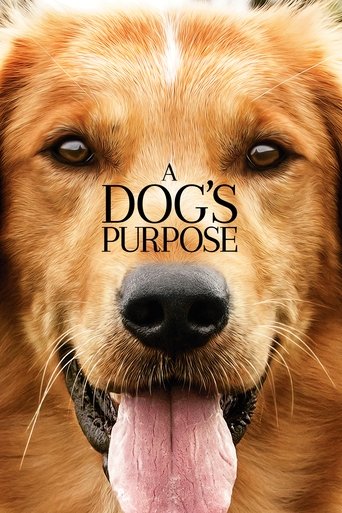
Thirty-nine films carry the Family label, and because every film here is rated 6.8 or above, the shelf is a short cut to the best of the kind. Animals are well represented. Hachi: A Dog's Tale and A Dog's Purpose were both directed by Lasse Hallström, who has a rare touch with canine actors. Homeward Bound: The Incredible Journey sends two dogs and a cat across the mountains, Old Yeller is the classic story of a boy and a stray on the Texas frontier, and The Black Stallion, beautifully photographed, strands a boy and an Arabian horse together on a desert island before bringing them home to race. Dolphin Tale and its sequel are based on a real rescue in Florida, and Flicka and Dreamer: Inspired By a True Story are for anyone who loves horses.
Magic and invention fill another part of the shelf. Mary Poppins and Chitty Chitty Bang Bang share songwriters and a leading man, Dick Van Dyke. Jumanji lets a jungle loose in a house, Charlie and the Chocolate Factory opens the gates to five lucky children, and The Jungle Book of 2016 surrounds one young actor with a forest full of astonishingly lifelike animals. The Croods and The Good Dinosaur are prehistoric adventures in very different styles, and Christopher Robin and Paddington bring two famous bears to London.
School stories round out the selection: Wonder, Middle School: The Worst Years of My Life, The Sandlot and Searching for Bobby Fischer, a thoughtful film about a seven-year-old chess prodigy and the adults who must decide how hard to push him. The family guide suggests a first film for each age.
Musicals and music
Sixteen films on the list are about music, and they trace the whole history of the form. The great studio musicals of the fifties and sixties have been described above. After them the musical changed shape. Grease in 1978 and The Muppet Movie in 1979, with its banjo song about rainbows, were among the last of the old kind.
What followed were films about musicians. The Commitments recruited young unknowns in Dublin who could really sing and play, and recorded their performances live. Mr. Holland's Opus spends thirty years with a composer who takes a teaching job to pay the bills and finds it becomes his life's work. Selena and Ray are biographies of two singers, each with a performance at the centre, by Jennifer Lopez and Jamie Foxx, that made a career. Brassed Off is built around a real colliery band, Drumline around the marching bands of American universities, and August Rush around a child who hears music in the wind.
The newest entries return to song and dance. Sing Street writes original songs in the style of the bands its hero admires, and they are good enough to stand alone. Mamma Mia! and Mamma Mia! Here We Go Again revive the full-scale musical on a Greek island, Pitch Perfect 2 celebrates unaccompanied singing, and Center Stage, Take the Lead and the Step Up 3D films are for those who would sooner dance. The guide to musicals and music lists all sixteen.
Comedy
Eighty-six films are comedies, a healthy share for a list based on scores, since comedy is often marked more strictly than drama. The classics of the kind are the two adaptations of Neil Simon. The Odd Couple moves a fussy newsreader into the apartment of his slovenly best friend, with Jack Lemmon and Walter Matthau perfectly matched. Barefoot in the Park puts Robert Redford and Jane Fonda, as newlyweds, in a tiny flat at the top of five flights of stairs.
The eighties brought the comedy of the big idea, already described, and the nineties refined it. What About Bob? sends a needy patient after his psychiatrist on holiday. While You Were Sleeping turns a misunderstanding in a hospital into a family for a lonely woman. Tommy Boy and The Wedding Singer made stars of a generation of television comedians, and Cool Runnings found one of the most likeable true stories in sport.
The more recent comedies on the list are small in scale and generous in spirit. Little Miss Sunshine, Best in Show, Chef, Win Win, about a struggling lawyer who coaches the school wrestling team, and Frequently Asked Questions About Time Travel, set almost entirely in an English pub, all reward a viewer who enjoys character as much as plot. Hunt for the Wilderpeople may be the funniest film of its decade. The comedy guide sorts the shelf by style.
Drama
With 118 entries, drama is the backbone of the list. Four of its films won the Academy Award for Best Picture: All About Eve, Marty, Rain Man and A Beautiful Mind; a fifth winner, My Fair Lady, sits on the music shelf. Awards aside, the dramas here have something in common. They are about people being decent to one another under pressure, which is perhaps why they are rated so warmly.
Teachers are favourite heroes. Besides To Sir, with Love, Stand and Deliver, The Miracle Worker, Front of the Class and Mr. Holland's Opus, there is the chess teacher of Searching for Bobby Fischer and the coaches of half a dozen sporting films. Families are the other great subject: the three generations at the lake in On Golden Pond, the mother and daughter of Steel Magnolias, the father and child of I Am Sam, and the long marriage observed through four seasons in Another Year, directed by Mike Leigh.
Several dramas are set against wide landscapes. The Horse Whisperer, directed by Robert Redford, moves from New York to the mountains of Montana. Far from the Madding Crowd is set among the farms of Victorian Dorset, The Rider on the Dakota plains, and Lion on two continents. The Majestic recreates a Californian coastal town in the early 1950s, and Somewhere in Time a grand hotel on an island in the Great Lakes. The drama guide groups the shelf by theme.
Romance
Sixty-one love stories appear on the list, and they cover seven decades of courtship. The fifties and sixties favoured elegance: a princess and a reporter in Rome, a model and a photographer in Paris, a writer and his glamorous neighbour in New York. The eighties turned to teenagers with Say Anything... and Some Kind of Wonderful, two films about the nerve it takes to declare yourself, and to fantasy with Somewhere in Time, in which a playwright wills himself back to 1912.
The nineties and after belong to the British romantic comedy and to Richard Linklater's two films about Jesse and Céline. Serendipity, One Day, The Holiday and The Wedding Date continue the tradition. Among recent films, The Longest Ride and The Best of Me are sweeping romances from popular novels, In Your Eyes connects two strangers who can somehow see through each other's eyes, and Adam is a delicate story about a young man with Asperger syndrome and his new neighbour. The romance guide has the whole shelf.
True stories
A striking number of the top rated films are based on real lives, close to a third of the list. Viewers seem to reward a good story more generously when they know it happened. The classroom films have been mentioned. So have the sporting stories, to which McFarland, USA adds a cross-country running team from a farming town in California, Queen of Katwe a chess club in Uganda, and The Express the first African-American winner of college football's highest award.
Scientists and thinkers form another group: the mathematicians of A Beautiful Mind and The Man Who Knew Infinity, the surgeon of Gifted Hands: The Ben Carson Story, the animal scientist of Temple Grandin and the two computer pioneers of The Social Network and Steve Jobs. Artists have Maudie and Big Eyes, performers Selena, Ray and Stan & Ollie, and writers Goodbye Christopher Robin. Lion and Hachi: A Dog's Tale are true stories of devotion, one human and one canine. The true stories guide gathers them by subject.
The stars and the directors
Scores follow certain people around. Audrey Hepburn has four films on the list, the most of any performer, and Kurt Russell matches her with Overboard, Miracle, Dreamer: Inspired By a True Story and The Christmas Chronicles. Bill Murray appears three times, twice in person and once as the voice of a bear. Sam Neill, Ethan Hawke, Toni Collette, Dennis Quaid and Amy Adams also have three each, and Julia Roberts, Dev Patel, Julie Delpy and Michael J. Fox two.
Among directors, Stanley Donen leads with three musicals, alongside Lasse Hallström and Jon Turteltaub with three films apiece. Steven Spielberg, Richard Linklater, John Hughes, Tim Burton, Jon Favreau, Robert Stevenson and Gene Saks have two. The list also includes single films by some of the most celebrated names in cinema: Stanley Kubrick, Charlie Chaplin, William Wyler, George Cukor, Vincente Minnelli, Martin Scorsese, David Fincher and Mike Leigh. Each name on a film page is a link, and the guide to the stars offers a starting point.
How to read a score
The number in the corner of each poster is an average of the ratings given by thousands of viewers on a scale of one to ten. A few things are worth knowing about it. First, the scale is used narrowly: very few films of any kind average above 8.0, and anything over 7.0 is warmly regarded. On this list, 6.8 is the entry mark, which already places a film well above the common run.
Second, different kinds of film are marked differently. Dramas, especially serious ones based on true events, tend to score highest. Comedies, family adventures and musicals are often rated a little lower by the same viewers who watch them most often, so a comedy at 7.0 may be as well loved as a drama at 7.6. Third, older films have been voted on mostly by enthusiasts who sought them out, which helps to explain the high standing of the classics.
The sensible course is to use the score as a first filter and the summary as the second. If a film is on this list at all, a great many people have enjoyed it; whether it suits your evening depends on its subject and its mood, and the film page will tell you both.
Planning from the list
A list invites a project. Some households work down it from the top, one film a week, which takes three and a half years and guarantees a good Saturday night for all of them. Others take it by era: a month of classics, beginning with Roman Holiday and Singin' in the Rain, then a month of the eighties, and so on to the present.
Double bills are easy to arrange. Pair Before Sunrise with Before Sunset. Follow Mary Poppins with Chitty Chitty Bang Bang for an afternoon of songs by the same team. Set The Miracle Worker beside Temple Grandin, two films about breaking through to a remarkable mind made nearly fifty years apart, or The Black Stallion beside Seabiscuit. For a seasonal evening the list offers Miracle on 34th Street, Home Alone 2: Lost in New York, National Lampoon's Christmas Vacation and The Christmas Chronicles.
The average film here runs for an hour and fifty minutes. The musicals of the sixties are the long ones, often with an interval built in, and the animated features are the short ones. My List holds your plan: add films as you read about them, and the choice on the night is already made.
A film page in detail
Take Roman Holiday as an example. The poster shows a couple on a scooter. Beside the title are the year 1953, a running time of 118 minutes and a score of 7.9. The summary explains that a young princess, weary of ceremony, escapes her embassy for a day of freedom in Rome and meets an American journalist who recognises her and pretends otherwise. William Wyler is named as director, with Audrey Hepburn, Gregory Peck and Eddie Albert at the head of the cast; pressing Hepburn's name brings up her three other films on the list. Choose a country, press the yellow Watch now button, and the services offering the film there appear with their prices.
Questions and answers
Questions
What is HDMovies?
HDMovies is a guide to 178 top rated films made between 1950 and 2018. Each film has a page with its score out of ten, its cast, director and summary, and a Watch now button that opens the official services carrying it in your country.
How high are the scores?
Every film is rated 6.8 or higher. Forty-two films are rated 7.5 or higher, and three share the top score of 8.1: Wonder, Singin' in the Rain and All About Eve.
How do I watch a film?
Go to the film's page, select your country beside the yellow button and press Watch now. JustWatch then lists each subscription, rental, purchase and free service where the film is available to you.
Which eras are covered?
Twenty-four films date from 1950 to 1979, thirty-nine from the 1980s and 1990s, forty-nine from the 2000s and sixty-six from 2010 to 2018.
Is the list suitable for families?
The films were chosen by hand for a household audience, and thirty-nine sit on the Family shelf. Each page carries a summary so that parents can judge a film for themselves.
Which actor appears most often?
Audrey Hepburn and Kurt Russell have four films each. Type any name in the search field to see every film that performer appears in.
What is the oldest film?
All About Eve, from 1950. The newest films date from 2018.
Are there musicals?
Yes. The Music shelf has sixteen films, from Singin' in the Rain and My Fair Lady to Sing Street and Mamma Mia!
What is My List?
My List is a private shortlist of films from the list that you plan to watch. Your browser stores it on your device, the list button adds or removes a film in one press, and the list page can export it as a file.
Where does the information come from?
Posters, scores, casts and production details come from TMDB. The guide on this page and the fifteen help pages are written by the HDMovies editorial team.
